When is the Best Month to visit the Northern Territory Wetlands?
Choosing the right time to visit the world-famous Northern Territory wetlands isn't about finding the "perfect" month—it’s about choosing the kind of adventure you want to experience.
Because our monsoonal climate completely reshapes the landscape every few months, a cruise in the lush humidity of April looks entirely different from a safari in the crisp, cool air of August.
If you are planning a trip to the Top End, our passionate team here at Wetland Cruises has put together this informative breakdown of what the different months of the operating season offer, how to choose between them, and how to outsmart the crowds.
April: The 'Green Season' Spectacular (Best for Photographers & Lush Landscapes)
While the heaviest monsoonal rains force us to pause operations from November through March, April marks our spectacular grand opening. Known locally in the Bininj seasonal calendar as Banggerreng, this month is the grand finale of the wet season.
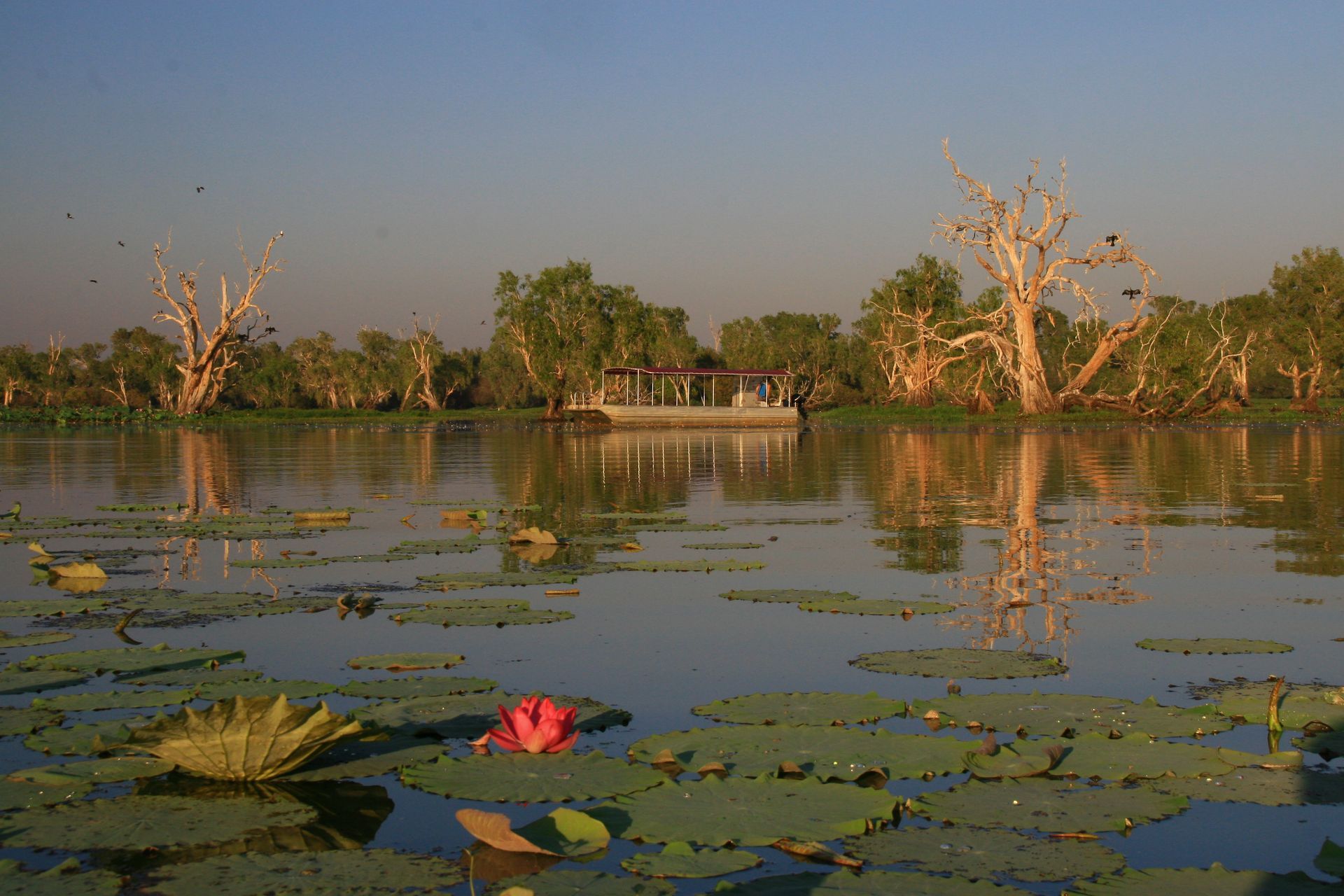
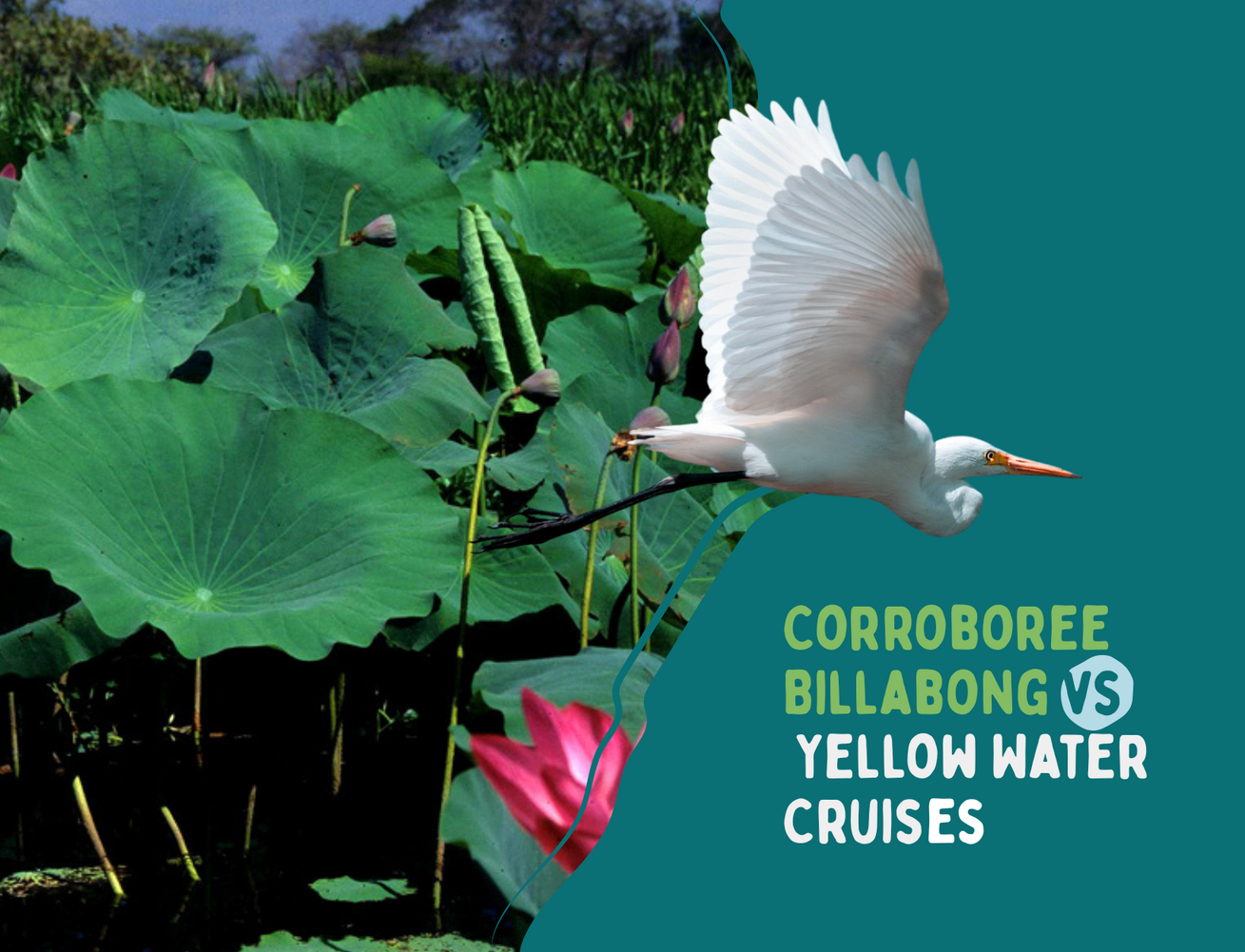
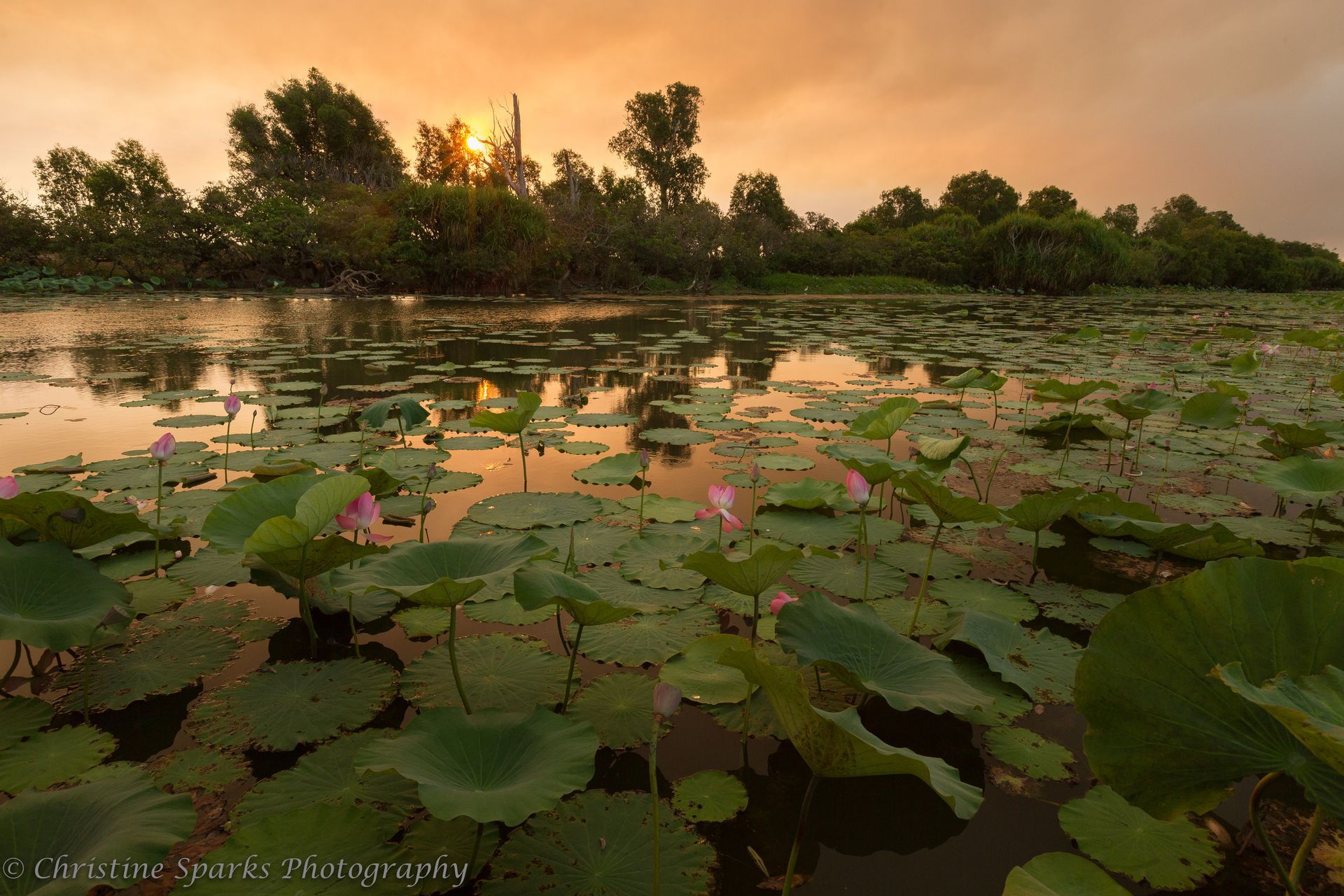
- The Landscape: The floodplains are at their maximum water capacity, carpeted in vibrant green and covered in flowering water lilies.
- The Vibe: The air is warm, the skies are dramatic with lingering tropical clouds, and the waterfalls feeding the river systems are roaring.
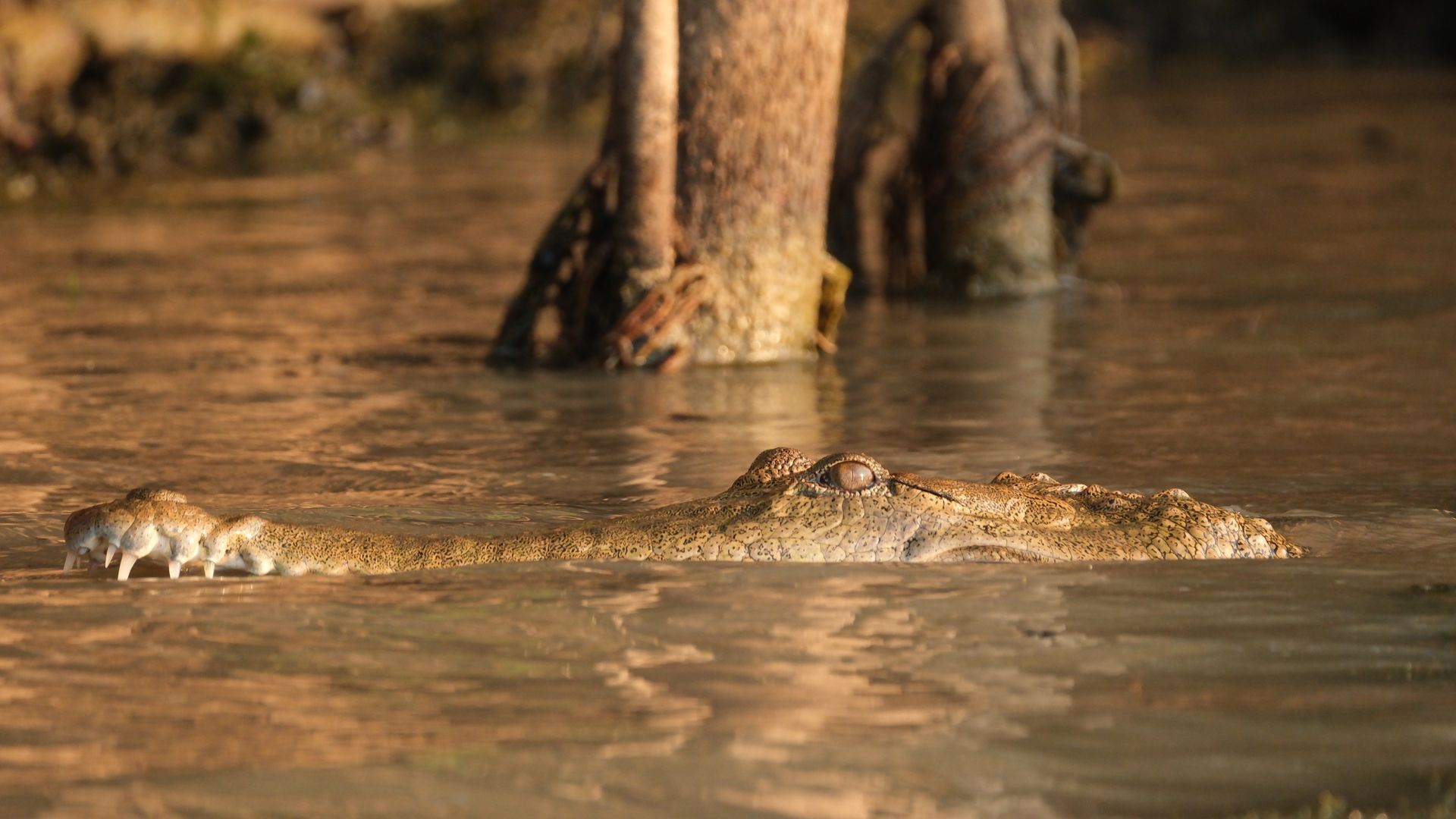
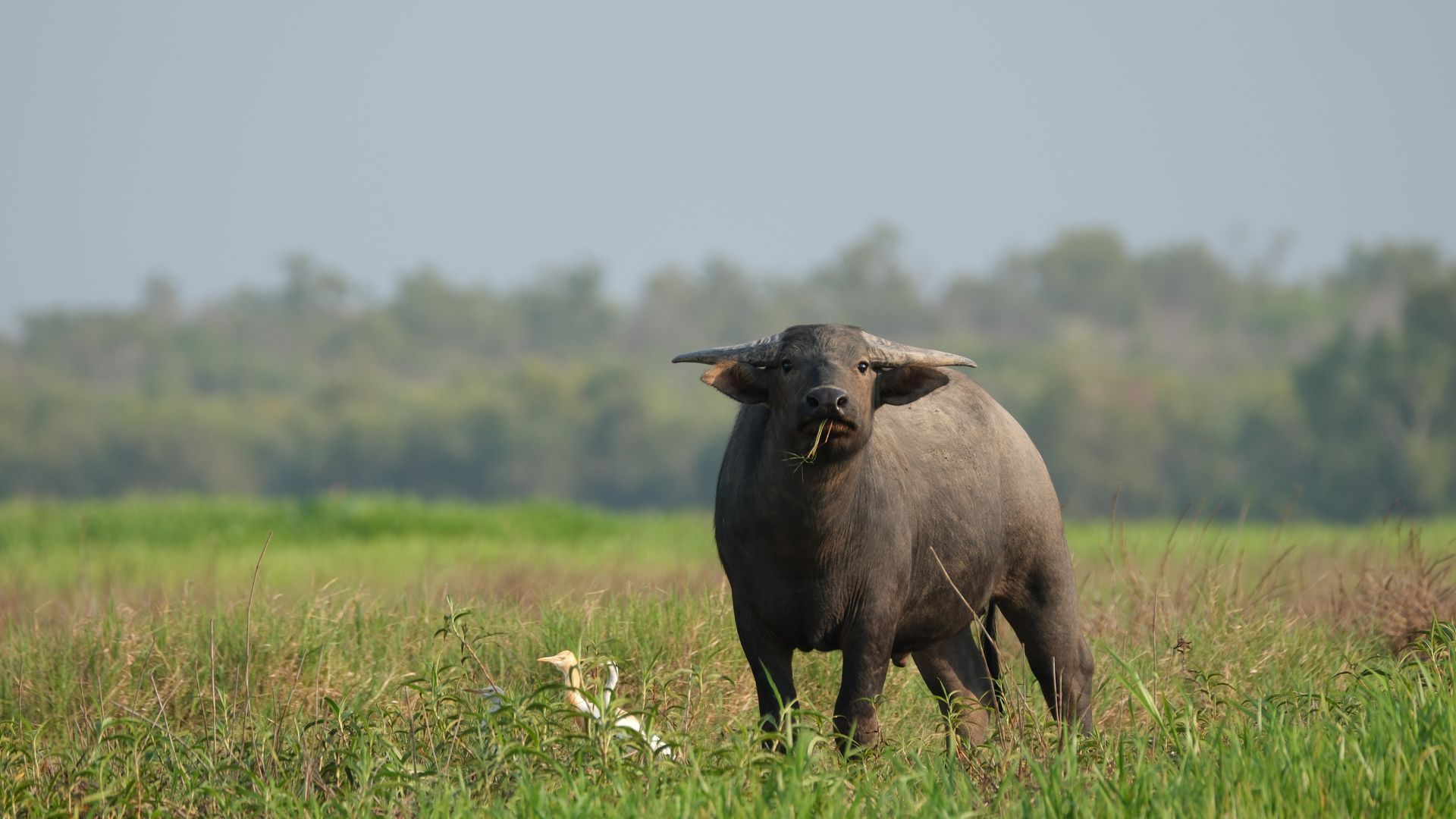
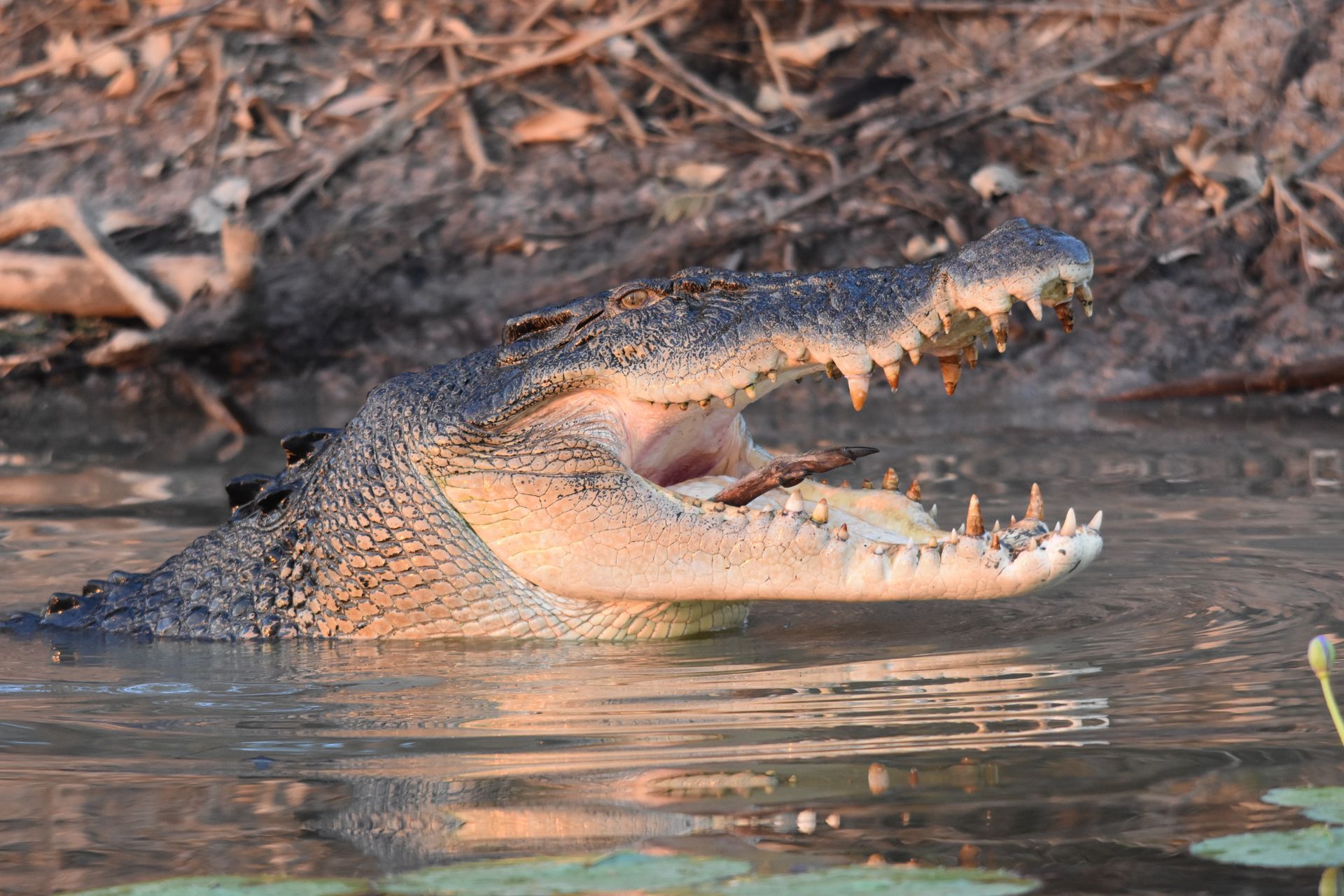
- Wildlife Window: Migratory birds are nesting in massive numbers, and the barramundi are highly active. Because the water levels are so high, crocodiles have a massive playground and are often spotted swimming actively through the half-submerged vegetation.
May: The Forgotten 'Sweet Spot'
If you want the best of both worlds, May (Yekke) is an incredible insider secret. The heavy rains have stopped, the humidity drops significantly, and a cool morning breeze rolls in across the wetlands. The landscape still retains its lush, green post-wet-season beauty, but the peak tour crowds haven’t fully arrived yet.
June to August: Peak Croc-Spotting & The Winter Cold (Best for Guaranteed Bank Sightings)
When Australia’s southern states freeze, the Top End enters Wurrkeng—our dry, "cold" season. This is the absolute prime time for crocodile viewing, but it is also the busiest time of the year for tourism.
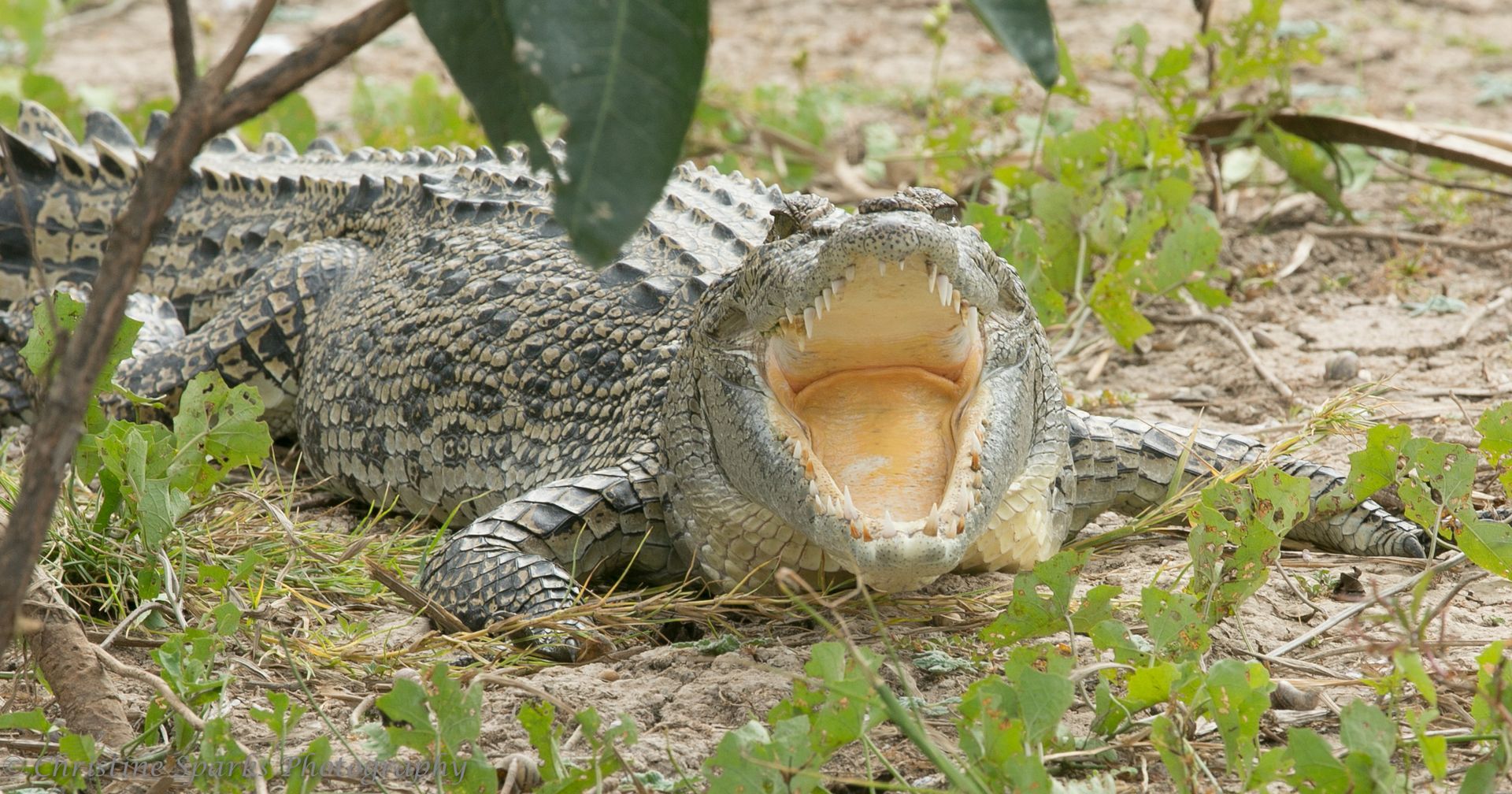
- Why the Crocs Come Out: Crocodiles are cold-blooded reptiles. During the cooler winter months (where overnight temperatures can drop below 20°C), the water temperature drops. To warm up, crocodiles must leave the cold water and haul themselves onto the mudbanks to bask in the winter sun.
- The Landscape Shift:
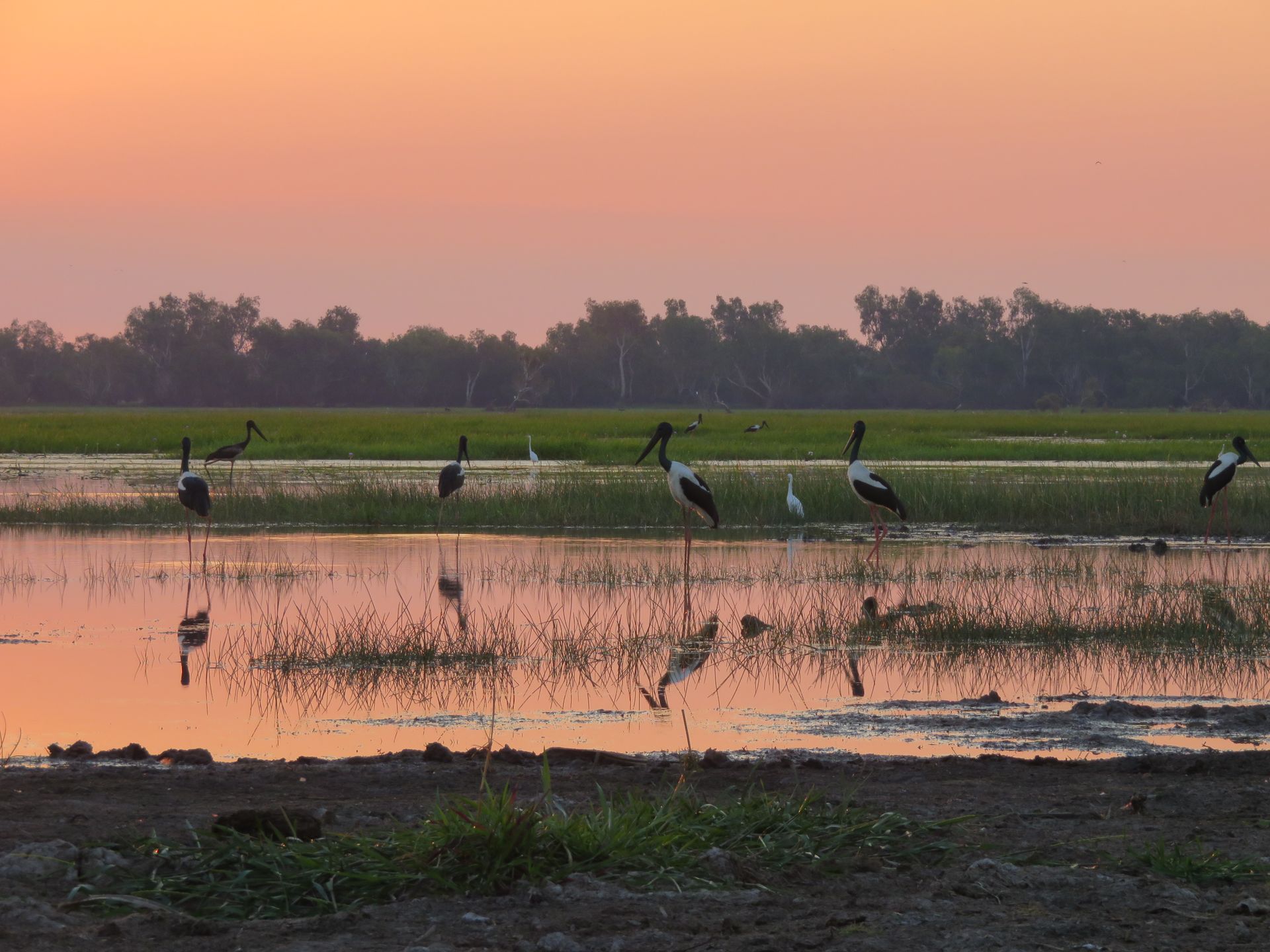
The vast floodwaters recede dramatically. As the water shrinks back into the main river channels and billabongs, wildlife concentrates into smaller areas. You will see dozens of apex predators lining the banks and thousands of magpie geese packed tightly into the remaining waterways.
September & October: The Hot, Dramatic Build-Up (Best for Crowd-Free Solitude)
As the dry season winds down, the Top End transitions into the "build-up." The wetlands shrink to their absolute lowest point of the year, concentrating the remaining water into deep channels.
- The Croc Behavior Shift: Unlike the cooler winter months, the intense tropical heat means crocodiles no longer need to bask on the banks to warm up. In fact, it's far too hot for them out of the water! Instead, they retreat into the river to stay cool.
- What You'll See: While you won't see them sunbathing on the mud, spotting crocs becomes an exciting game of aquatic tracking. You will see their iconic "V" wakes cutting through the glassy water, eyes and snout tips gliding silently, and massive dominant males patrolling their shrinking territories.
- The Big Advantage: The true perk of traveling during the late build-up is the total absence of tourist crowds. With the peak season rush long gone, you will often feel like you have the entire river system completely to yourself, offering a raw, quiet, and deeply authentic outback experience.
Insider Secrets: How to Experience Peak Crocodile Season Without the Crowds
If your primary goal is to see giant crocodiles basking out on the river banks, you will likely target the peak months of June, July, and August. However, because this aligns with southern school holidays, the Top End is buzzing.
Here is how you can get a front-row seat to the wildlife action without feeling swamped by crowds:
- Book a Sunrise Cruise: In the cooler months, crocodiles have been chilling in the river all night. As the sun rises, they eagerly climb onto the banks to catch those first warm morning rays. Booking the earliest morning cruise means you catch them when they are most stationary on the banks while most tourists are still sleeping.
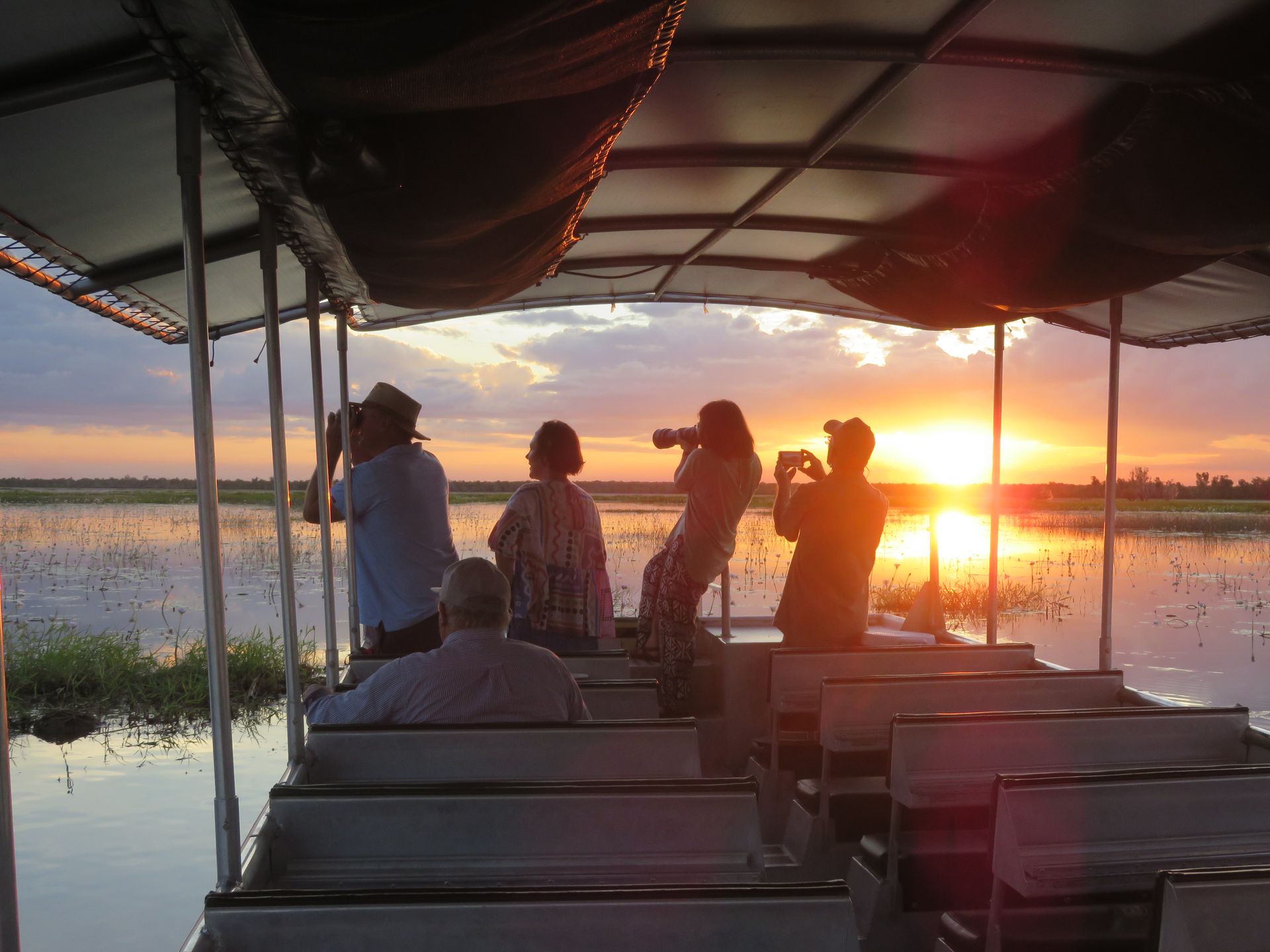
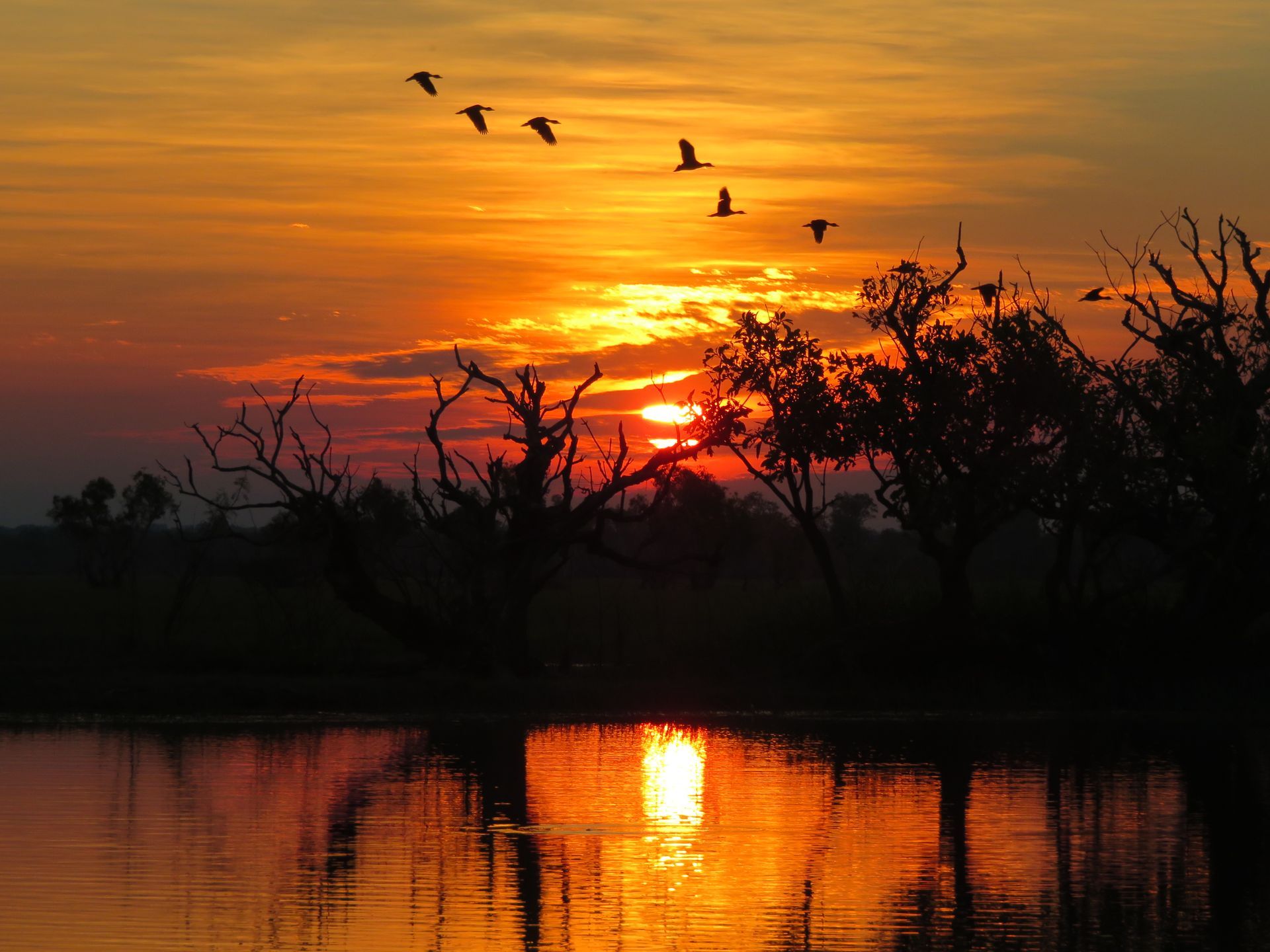
- Opt for Sunset Magic: Mid-afternoon can be busy with day-trippers. Choosing a late afternoon or sunset cruise often means fewer boats on the water, dropping temperatures, and a spectacular show as thousands of birds return to the trees to roost for the night.
- Travel Mid-Week: Most regional road trippers and weekend holidaymakers hit the billabongs on Fridays, Saturdays, and Sundays. Booking your wetland cruise between Tuesday and Thursday gives you a much quieter, more exclusive experience on the water.